Common Causes of Lower Back Pain — and How Osteopathy Can Help

Lower back pain is one of the most common reasons people seek healthcare. In fact, most adults will experience some form of back pain at some point in their lives. Whether it’s a dull ache after sitting all day or a sharp pain that stops you in your tracks, lower back pain can be frustrating and disruptive.
So what actually causes it — and how can osteopathy help?

What Causes Lower Back Pain?
Lower back pain isn’t always caused by one dramatic injury. More often, it builds up over time due to everyday habits and movement patterns.
Here are some of the most common causes:
1. Prolonged Sitting
Desk jobs, long commutes and screen time can all place sustained pressure on the lower spine. Sitting for hours can lead to tight hip flexors, weak glutes and increased strain on the lower back.
2. Poor Posture
Slouching, leaning to one side or standing unevenly can create muscular imbalances. Over time, this uneven load can contribute to chronic lower back pain.
3. Muscle Strain
Lifting something awkwardly, gardening on the weekend or increasing your gym intensity too quickly can overload the muscles and ligaments of the lower back.
4. Reduced Core Strength
Your core muscles help stabilise your spine. If they’re weak or not activating properly, your lower back may compensate — and that can lead to pain.
5. Stress and Tension
Stress doesn’t just affect your mind. It can increase muscle tension, alter breathing patterns and reduce movement variability, all of which can contribute to back discomfort.

How Can Osteopathy Help Lower Back Pain?
Osteopathy takes a whole-body approach to lower back pain treatment. Instead of only focusing on where it hurts, an osteopath looks at how your hips, pelvis, thoracic spine and even ankles may be influencing your lower back.
At your appointment, you can expect:
A detailed history of your symptoms
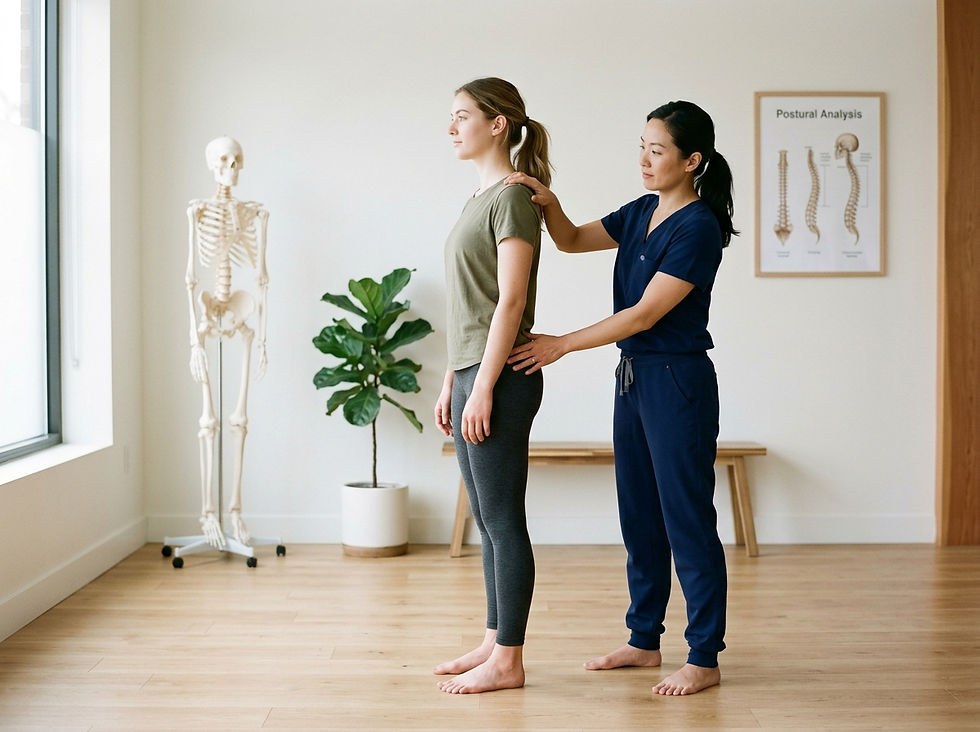
Assessment of posture and movement
Hands-on examination
Treatment may include:
Soft tissue massage to reduce muscle tension
Joint mobilisation to improve spinal movement
Gentle stretching techniques
Muscle energy techniques
Advice on posture and workplace setup
Tailored exercises to improve strength and stability
The aim isn’t just short-term relief — it’s improving how your body moves so the pain is less likely to return.

Is Lower Back Pain Serious?
In most cases, lower back pain is mechanical, meaning it relates to joints, muscles and movement patterns rather than serious disease. However, if you experience symptoms like numbness, weakness, loss of bladder or bowel control, or pain following major trauma, you should seek urgent medical attention.
An osteopath is trained to identify when pain is musculoskeletal and when referral is needed.
When Should You See an Osteopath for Back Pain?
If your lower back pain:
Has lasted more than a few days
Keeps coming back
Is affecting your sleep
Limits your work, sport or daily activities
…it may be time to get it properly assessed.
The Bottom Line
Lower back pain is common — but that doesn’t mean you have to live with it.
Osteopathy offers hands-on treatment combined with practical advice and exercise support to help reduce pain and improve movement. If your back has been bothering you, getting on top of it early can make a big difference.
Your spine works hard every day. Sometimes it just needs the right support to keep doing its job comfortably.


Comments